
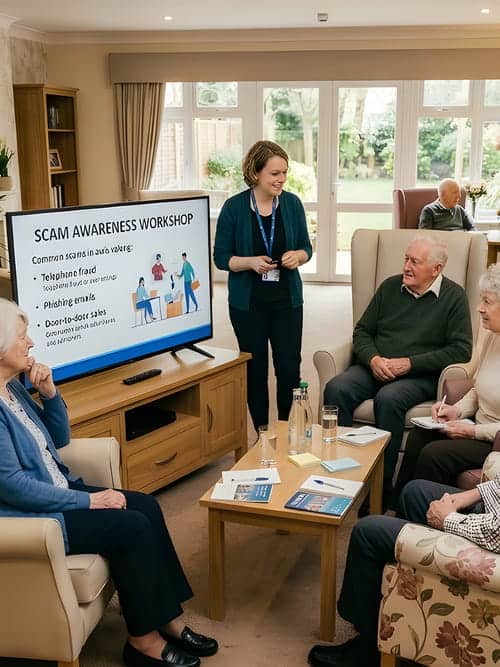
Scam Awareness Workshops for Care Homes
Help your residents stay safe in the digital world. Our Scam Awareness sessions provide care home staff and residents with practical guidance to recognise scams, avoid online fraud, and protect personal information. We focus on real-life examples and easy-to-follow steps, giving everyone the confidence to use technology safely.
Scam Awareness
Helping Residents Stay Safe
Practical scam awareness education for care home communities.
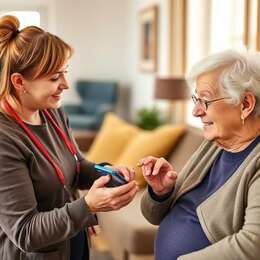
Building Confidence and Awareness
Unfortunately, scams increasingly target older adults through phone calls, emails, social media, and online services. Our Scam Awareness Workshops help care home residents understand how these scams work and how to protect themselves.
Delivered in a friendly and accessible format, these sessions explain common scams using clear examples and simple advice residents can easily remember.
The workshops encourage discussion and awareness, helping residents feel more confident recognising suspicious activity and knowing what to do if something doesn’t seem right.
Residents will learn how to:
- Recognise common phone and email scams
- Identify suspicious messages and online requests
- Understand how scammers try to gain trust
- Know what to do if they encounter a potential scam
Our goal is to empower residents with the knowledge and confidence to stay safe and avoid fraud.
Why Scam Awareness Matters
Older adults are increasingly targeted by fraudsters.

Protecting Residents and Care Communities
Scams targeting older adults are rising across the UK. Fraudsters often exploit trust, confusion around technology, and urgency to pressure people into sharing personal or financial information. Our workshops provide residents with clear, practical guidance to identify and avoid these threats. Through friendly, interactive sessions, residents gain confidence, understanding, and practical skills to protect themselves in daily life.
-
Financial Protection
Residents learn how scammers attempt to steal money through phone calls, emails, and online scams. They are taught practical strategies to recognise fraudulent requests and avoid giving away personal or financial details.
-
Confidence with Technology
Many scams exploit confusion or uncertainty with technology. Residents gain guidance on safe use of phones, tablets, and online services, helping them feel confident while avoiding potential risks.
-
Peace of Mind
Understanding the common tactics of scammers gives residents reassurance. Families and care staff can feel confident that residents know how to identify suspicious activity and take safe actions.
By highlighting these key areas, our workshops empower residents with knowledge and practical skills, creating a safer, more confident care home community.
What Our Scam Awareness Workshops Cover
Understanding common scams and how to avoid them.
Our Scam Awareness Workshops use practical, real-world examples and hands-on guidance to help residents recognise common scams, understand how fraudsters try to manipulate trust, and respond safely in everyday situations. Through friendly discussion and interactive learning, residents gain confidence to protect themselves from phone, email, and online scams while building awareness of safe practices in their care home and online environments.

Phone Scams
Phone scams are one of the most common ways fraudsters target older adults. Residents learn to recognise suspicious calls, such as unknown numbers, urgent requests for money, or callers claiming to be from banks or government organisations. The session teaches simple strategies to respond safely, verify information, and avoid sharing personal or financial details over the phone.

Email & Phishing Scams
Phishing emails can trick people into clicking harmful links or giving away personal information. Residents will learn to spot red flags like misspellings, urgent demands, and suspicious attachments. The workshop demonstrates practical examples and easy-to-remember rules to safely interact with emails, messages, and other online communication.

Online Scams
Fraudsters use fake websites, social media profiles, and misleading online adverts to deceive people. Residents will gain hands-on guidance to identify suspicious websites, verify sources, and avoid sharing sensitive information online. This session builds confidence in using the internet safely, while still enjoying its benefits.
Staying Safe
The workshop provides practical tips residents can follow every day to protect themselves. This includes how to manage passwords, recognise unsolicited messages, avoid sharing personal information, and report suspicious activity. By the end, residents feel empowered and confident to keep their personal information and finances safe.
How Our Workshops Work
Informative, Friendly, and Easy to Understand
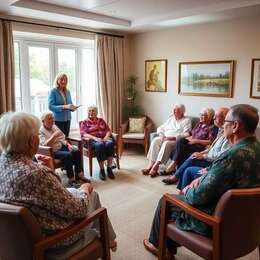
Learning Through Discussion
Our Scam Awareness Workshops are carefully designed to be interactive, engaging, and accessible for all residents. We create a supportive environment where participants feel comfortable asking questions and sharing experiences. The sessions combine clear explanations, practical examples, and small group discussions to help residents understand how scams operate and what steps they can take to stay safe.
-
Small Group Sessions
Workshops are delivered in small groups to ensure residents can comfortably participate, ask questions, and receive individual attention if needed.
-
Real-Life Examples
We use real-world scenarios and examples of common scams that older adults may encounter, making the information relevant, memorable, and practical.
-
Open Discussion
Residents are encouraged to share personal experiences, ask questions, and discuss how scams might appear. This helps reinforce learning and builds confidence in recognising suspicious activity.
-
Simple Safety Advice
Clear, actionable steps are provided that residents can follow immediately to protect their personal information, finances, and online activity.
By combining interactive discussion, real-life examples, and practical safety advice, our workshops ensure residents leave feeling confident, informed, and empowered to recognise and respond to scams in their daily lives.
Benefits for Care Homes
Supporting resident wellbeing and digital safety
Our Scam Awareness Workshops provide care homes with structured, practical guidance to keep residents safe from fraud and scams.
Staff and residents both gain valuable insights, enhancing safeguarding, digital confidence, and day-to-day safety awareness.
Encourages Speaking Up
Residents are empowered to alert staff if they receive suspicious calls, messages, or online requests. This promotes open communication and helps staff intervene early, reducing risk.
Supports Safeguarding
Workshops reinforce care home safeguarding procedures, helping staff understand common scams and how to support residents in avoiding fraud.
Digital Confidence
Residents gain practical skills to safely use phones, tablets, and email, reducing anxiety around technology and fostering independence.
Staff Insights
Care staff learn about current scams, warning signs, and practical ways to support residents, making safeguarding proactive and informed.
Engaging Activities
Interactive workshops keep residents engaged and make learning about scams enjoyable and memorable, rather than intimidating.
Flexible Scheduling
Workshops can be arranged at times that suit your care home routines and resident availability, ensuring minimal disruption to daily activities.
What Residents Take Away
Simple knowledge that can prevent fraud

Practical Skills and Confidence
After attending our Scam Awareness Workshops, residents leave with practical skills, increased confidence, and a clear understanding of how to protect themselves. Through interactive discussions, hands-on examples, and friendly guidance, participants gain knowledge they can apply immediately in their daily lives, whether online, on the phone, or when receiving unexpected messages.
-
Recognising Warning Signs
Residents learn to identify common tactics used by scammers, including urgent requests, threats, or suspicious offers, helping them spot potential fraud before it happens.
-
Knowing When to Ask for Help
Participants understand the importance of checking with staff, family, or trusted contacts before responding to suspicious calls, emails, or messages.
-
Safer Use of Technology
Residents gain practical guidance on using phones, tablets, email, and the internet safely, building confidence to enjoy digital tools while avoiding common online risks.
-
Confidence to Say No
Through discussion and examples, residents feel empowered to politely decline or ignore requests that seem suspicious, protecting their personal information and finances.
By the end of the workshop, residents feel knowledgeable, confident, and prepared to recognise scams, make safer choices, and seek help when needed, creating a safer and more secure care home environment.
Fraud Awareness & Safety
Practical guidance and group learning to help residents recognise and avoid scams
Fraud Awareness
Residents gain a clear understanding of the tactics scammers use, including phone, email, and online scams. This knowledge helps them recognise suspicious activity and avoid falling victim to fraud.
Practical Advice
Our workshops provide simple, actionable tips residents can remember and apply in everyday situations, such as checking messages carefully, avoiding sharing personal information, and verifying requests.
Group Discussion
Interactive group discussions encourage residents to learn together, share experiences, and build confidence. Discussing real-life scenarios makes the lessons memorable and helps residents recognise scams more effectively.
Improved Safety
By combining awareness, practical guidance, and discussion, residents are better equipped to protect themselves from fraud, helping create a safer environment within the care home.
F.A.Q
Common Questions About Scam Awareness Workshops
What are the most common online scams?
Common online scams include phishing emails, fake delivery notifications, impersonation scams pretending to be banks or government organisations, fraudulent phone calls, and fake websites designed to steal personal information.
How can I tell if an email is a scam?
Scam emails often create urgency, ask for personal information, contain suspicious links, or use slightly incorrect email addresses. Learning how to check sender details, links, and message tone can help identify phishing attempts.
What should I do if I receive a suspicious message?
Do not click links or download attachments. Instead, verify the message by contacting the organisation directly using their official website or phone number.
Can scammers target people through text messages?
Yes. SMS phishing, also known as "smishing", involves scammers sending text messages pretending to be delivery companies, banks, or services asking you to click links or confirm details.
How can I protect myself from online scams?
Use strong passwords, enable two-factor authentication, avoid clicking unknown links, verify unexpected requests for information, and keep devices updated with the latest security updates.
Are older adults more likely to be targeted by scams?
Scammers often target vulnerable individuals, including older adults, because they may be less familiar with newer digital threats. Education and awareness significantly reduce the risk.
Can you help me check if a message is a scam?
Yes. During sessions we review real examples of suspicious emails, messages, or calls and explain the warning signs so you can recognise scams in the future.
What should I do if I think I have been scammed?
If you believe you have been scammed, contact your bank immediately, change affected passwords, and report the incident to Action Fraud or the relevant authority.
Do scam awareness sessions include practical examples?
Yes. Sessions include real-life examples of scam emails, fake websites, phishing messages, and phone scams so you can learn how to recognise them in everyday situations.
Can families attend scam awareness sessions together?
Yes. Many families attend together to help protect vulnerable members and learn how to recognise scams as a group.